Why weight gets harder to lose after 40 — and what actually changes
If the approach that used to work for you has stopped working, you are not imagining it. A free presentation explains what shifts with age — and a simple, gentler way many people are trying instead of extreme diets.

If you have been eating carefully and moving more, yet the scale barely budges, it is easy to blame yourself. But for a lot of people — especially women moving through their forties and into menopause — the problem is not willpower. It is biology.
As hormones shift with age, the body tends to store weight differently and the metabolism slows. Research on the menopausal transition has documented an increase in abdominal fat and a measurable drop in daily energy expenditure during those years.5 In other words, the same habits that once kept your weight steady may simply not be enough anymore — and that is not a personal failing.
The usual response is to go harder: stricter diets, longer workouts, cutting more and more. For many people that backfires — it is exhausting, hard to sustain, and often leaves you feeling worse than when you started.
It was never about trying harder. It was about working with your body instead of against it.
A gentler approach, explained in a free video
Instead of another crash diet, a growing number of people are focusing on small, sustainable daily habits — the kind you can actually keep. A free presentation walks through the idea step by step: what changes after 40, why extreme dieting often backfires, and a simple routine you can fit into a normal day.
It is not a miracle, and it is not a shortcut. It is an educational video you can watch for free, at your own pace.
Natural ingredientsFour whole-food ingredients the video looks at
The approach centers on a few natural ingredients — nothing exotic, and no harsh stimulants. Here is what each one is studied for, in plain terms.
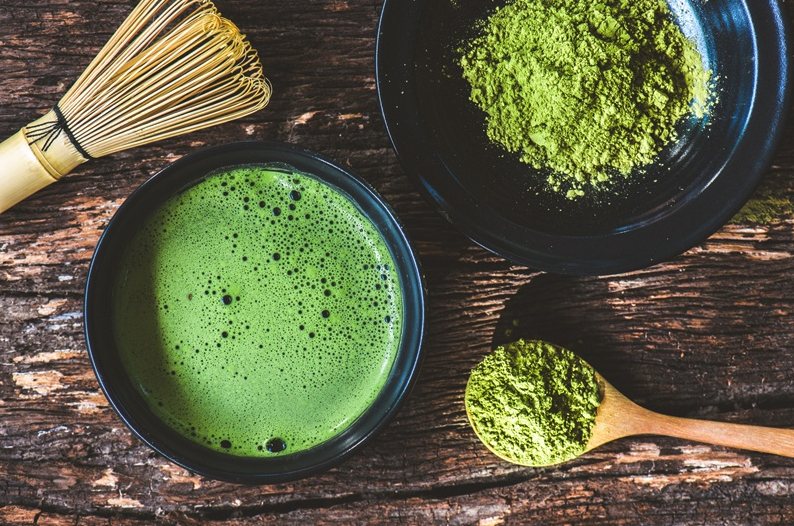
Green Tea Extract
Metabolism & antioxidantsGreen tea is naturally rich in plant compounds called catechins. In a meta-analysis of controlled trials, green tea catechins were associated with a small effect on weight loss and on keeping weight off after a diet — most noticeably alongside everyday activity.1
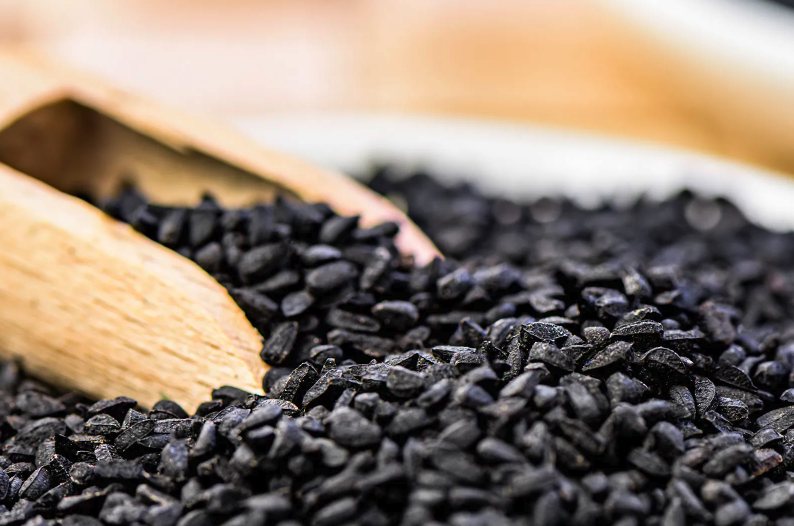
Black Cumin Seed (Nigella sativa)
Digestive comfortA seed used in traditional kitchens for centuries. In a systematic review of clinical studies, Nigella sativa was linked to modest reductions in body-weight and waist measurements, and it is valued for digestive comfort and antioxidant properties.2
Chromium Picolinate
Appetite & cravingsA trace mineral your body uses in how it handles carbohydrates and blood sugar. In a placebo-controlled study, chromium picolinate was associated with reduced food intake, less hunger and fewer cravings in women.3
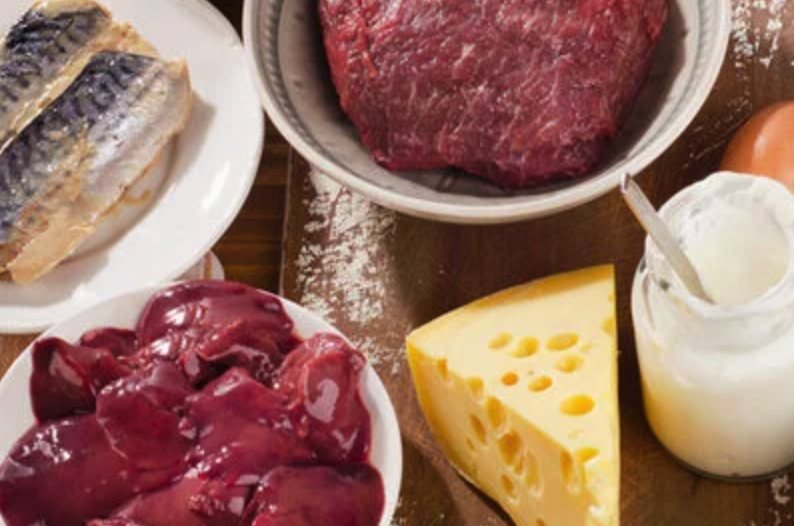
Vitamin B12
Everyday energyAn essential vitamin found in foods like fish, meat, eggs and dairy. Food-safety authorities recognise that B12 contributes to normal energy-yielding metabolism and to reducing tiredness and fatigue.4
The free video explains how these fit into a simple daily routine — and why the whole is meant to work gently, over time, rather than overnight.
Free to watch · No cost, no obligation
If any of this sounds familiar — the frustration, the feeling that your body changed the rules on you — the video is worth a few minutes. Watch it while it is available, and see whether the approach makes sense for you.
References (peer-reviewed research on the individual ingredients and on the general topic of menopause and metabolism — not studies of any specific product, and not a guarantee of results):
1. Hursel R, Viechtbauer W, Westerterp-Plantenga MS. Green tea, weight loss and weight maintenance: a meta-analysis. Int J Obes. 2009;33:956–961. doi.org/10.1038/ijo.2009.135
2. Namazi N, Larijani B, Ayati MH, Abdollahi M. The effects of Nigella sativa L. on obesity: a systematic review and meta-analysis. J Ethnopharmacol. 2018;219:173–181. doi.org/10.1016/j.jep.2018.03.001
3. Anton SD, Morrison CD, Cefalu WT, et al. Effects of chromium picolinate on food intake and satiety. Diabetes Technol Ther. 2008;10(5):405–412. doi.org/10.1089/dia.2007.0292
4. EFSA NDA Panel. Vitamin B12 and energy-yielding metabolism (ID 99, 190). EFSA Journal. 2009;7(9):1223. doi.org/10.2903/j.efsa.2009.1223
5. Lovejoy JC, Champagne CM, de Jonge L, Xie H, Smith SR. Increased visceral fat and decreased energy expenditure during the menopausal transition. Int J Obes. 2008;32:949–958. doi.org/10.1038/ijo.2008.25
6. Davis SR, Castelo-Branco C, Chedraui P, et al. Understanding weight gain at menopause. Climacteric. 2012;15(5):419–429. doi.org/10.3109/13697137.2012.707385